
The organization outlined the compensation for the CEO, executive directors, and board chair

The Law Society of Ontario has disclosed the 2026 compensation for the chief executive officer, executive directors, and board chair (treasurer) in its Annual Report 2025.
The CEO’s annual base salary for the 2026 fiscal period comes in at $620,000, with $33,851 in taxable benefits. For executive directors, the salary band for the 2026 fiscal period ranges from $320,000 to $480,000, with taxable benefits ranging from $9,897 to $26,541.
The six executive director roles under the LSO CEO, currently Tom Teahen, are:
Their taxable benefits include accidental death and dismemberment coverage, basic life insurance coverage, supplemental executive retirement savings, and a monthly travel allowance. The LSO noted that the taxable benefits amounts are estimates and projections given that the precise figures depend on the fiscal year’s actual earnings.
Meanwhile, the LSO treasurer, who chairs the board, was given an annual honorarium of $238,765 for the period of July 2025-June 2026. The honorarium is set according to Law Society By-law 3, section 71; the amount reflects the time commitment, leadership responsibilities, and governance obligations under the role, the body said.
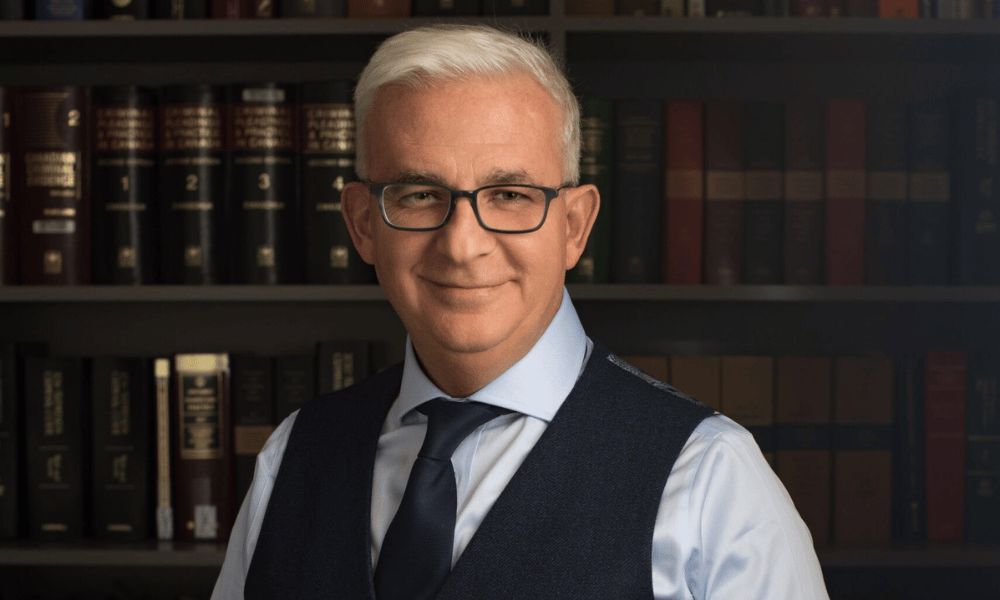
This role is currently held by Peter Wardle.
The public disclosure of executive compensation follows the September 2025 passage of a motion by LSO licensees for the body to publish its expenditures in light of the pay scandal involving former CEO Diana Miles. In February 2025, benchers learned that Miles had inked an employment contract that raised her base salary from under $600,000 to almost $1 million and included a 20 percent bonus incentive as well as a lump sum payment of $226,000 for a pension adjustment.
The LSO wrote in the 2025 annual report that executive compensation was informed by “a defined comparator market that includes Canadian public sector organizations, regulatory bodies, and comparable not-for-profit and private institutions requiring similar leadership capabilities.” The compensation, the body said, reflected senior leadership positions’ scope, complexity, and accountability while “recognizing differences in experience, performance, tenure and the criticality of each role.”
“Compensation decisions are informed by external benchmarks to ensure competitiveness and the ability to attract and retain experienced leaders consistent with the responsibilities of a public interest regulator,” the LSO wrote.
The structured program through which executive compensation is delivered focuses on base salary, with complementary competitive benefits and pension. Variable pay, defined as “modest performance-based pay” by the LSO, could also be given where appropriate if strategic and operational goals are achieved.
“This balanced compensation mix reflects LSO’s regulatory mandate and focus on sustainable outcomes rather than profit maximization,” the body wrote in the report.
Teahen wrote in his message to the LSO that “a model regulator must be willing to examine itself with the same discipline it expects of those it regulates.”
“That means assessing our performance, evaluating our processes, identifying opportunities for improvement and ensuring our governance structures support sound decision making and accountability,” he wrote. “Over the past year, the Law Society continued important work to strengthen its governance and administrative processes while supporting Convocation's examination of opportunities to modernize the governance framework. This work involved extensive research, consultation and analysis to help ensure that the Law Society's governance model continues to support effective decision making, accountability and the public interest as the professions and regulatory environment evolve.”
The LSO’s Annual Report 2025 was released on September 14.