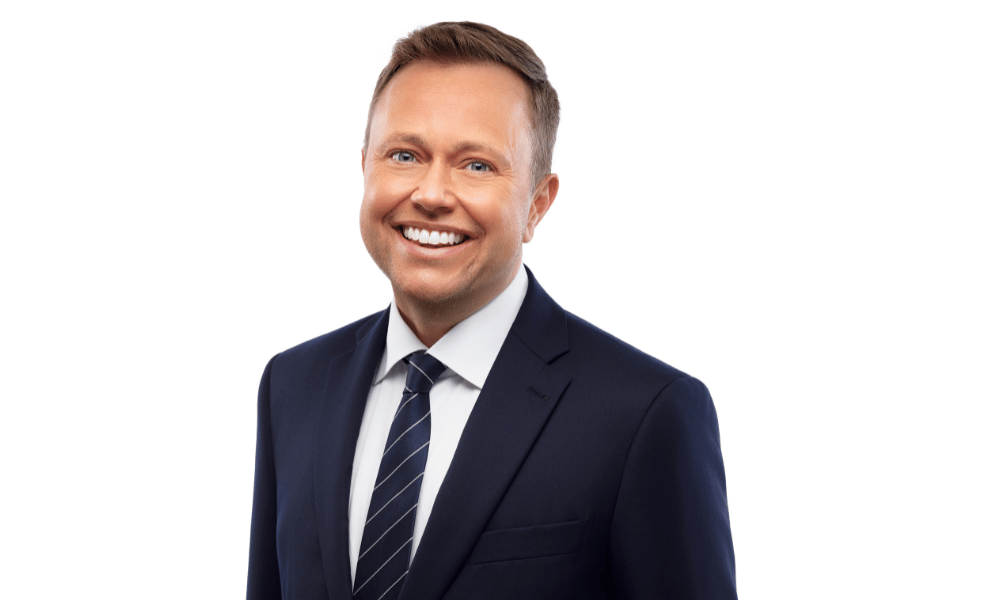

Kristen Boon, Common Law dean, calls this ‘reconciliation in action’

The University of Ottawa Faculty of Law, Common Law Section, has dubbed its new Indigenous Lands and Consultation Hub the first initiative of its kind specifically designed for consultation and Indigenous land issues.
“The Indigenous Lands and Consultation Hub exemplifies how experiential learning can advance reconciliation,” said Kristen Boon, the Common Law Section’s Susan and Perry Dellelce dean, in a news release. “This is reconciliation in action.”
According to the law school’s news release, the hub combines legal education and Indigenous knowledge in an effort to shift reconciliation from principle to practice and serve as a shared learning space based on reciprocity, respect, and the links between the legal community and Indigenous Nations.
The news release added that the initiative seeks to support:
Through the new hub, law students and Indigenous Nations can collaborate to create practical tools, policy resources, and learning opportunities striving to reflect the UNDRIP principles and Indigenous priorities and perspectives.
“By working directly with Indigenous communities, our students are developing the knowledge, judgment, and humility needed to lead in a rapidly changing legal landscape,” Boon said.
Under the umbrella of the Centre for Environmental Law and Global Sustainability, the new initiative has received support through external grants, university funding, and collaboration with Ecojustice.
The law school’s news release noted that Cynthia Westaway helped establish the new hub. Westaway is a visiting professor at uOttawa’s Common Law Section, where she teaches courses focusing on Indigenous law and negotiation.
“Smaller Nations are often overwhelmed by consultation demands—governments, industries, and municipalities are all seeking input on projects that affect their territories,” Westaway said in the news release. “The Hub is designed to help bridge that gap, while giving students an extraordinary learning experience.”
Last summer, Westaway and a small group of law students worked together to develop the new initiative. Together, the inaugural hub fellows created foundational materials, such as a discussion paper for tribal organizations and a briefing package for new chiefs without the time to review 30-page legal papers.
“The students learned how to adapt information to different audiences—how to make it useful, clear, and accessible,” Westaway said. “That’s a skill many law students don’t get to practice in traditional courses.”
Through the new hub, students engaged in experiential learning. Specifically, they:
According to the university’s news release, the students also honed their research, negotiation, and communication skills, as well as gained insights into:
Westaway shared that students have collaborated with Ontario’s chiefs and supported the National Aboriginal Land Managers Association.
“We see the Hub as a living, evolving space,” Westaway said. “It will grow as the law evolves, and as students bring new ideas and energy. It’s designed to be sustainable, collaborative, and responsive to the needs of both Indigenous partners and future lawyers.”
Westaway – senior counsel at First Peoples Law LLP and a specialist in Aboriginal law, certified by the Law Society of Ontario – has acted for Indigenous clients in consultation, rights, title, treaty, governance, and economic development matters for over two decades.
The law school expects the new hub to grow through the clinical course called “Access to Justice Practicum: Consultation and Indigenous Legal Issues” (CML2179), where enrolled students will work on new cases, contribute to existing resource materials, and support First Nations leadership training.
The law school’s news release noted that the hub will contribute to the Sustainability and Indigenous Rights Conference from Feb. 11–12, 2026, an event organized by the Centre for Environmental Law and Global Sustainability and co-chaired by Westaway and Josh Ginsberg, the Ecojustice Environmental Law Clinic’s director.