
New lawyers face a steep two-track SABS–tort learning curve amid looming 2026 reforms
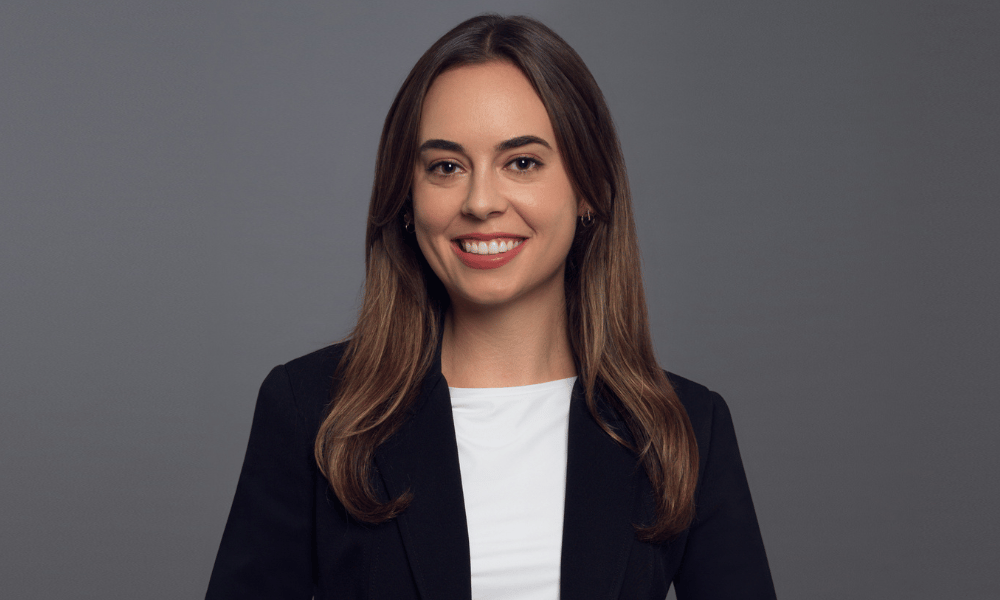
McLeish Orlando LLP associate Savannah Snyder describes Ontario’s auto insurance system succinctly: it’s complicated. As a new personal injury lawyer, she was struck not only by its complexity, but also by how tightly intertwined the no-fault regime and tort law are.
“What stood out to me was how much advocacy is required just to secure what an injured person is entitled to,” Snyder recalls. “It’s very technical, with a steep learning curve, and can be overwhelming. One of our key roles is helping clients navigate that system so they don’t fall through the cracks.”
An early catastrophic injury file brought the issue into sharp focus. Snyder was simultaneously advancing a catastrophic impairment designation on the accident benefits side and building future care damages in the tort action. The tort defendant pointed to the accident benefits insurer and argued that, if the claimant were declared catastrophic, the no-fault insurer — not the defendant — should shoulder the future care costs.
“Decisions on the accident benefits side can drastically change the outcome of the tort claim, so you really have to think of those two processes together from the very beginning,” Snyder says, noting that early strategic choices on the timing of mediation coinciding with catastrophic impairment assessments, treatment funding and documentation can have long-term consequences for both streams of a case.
“That was something I didn’t fully appreciate before I started practicing.”
That interdependence is a steep learning curve for new calls. Law school focuses on the tort side: negligence, damages and the Rules of Civil Procedure, but those don’t apply to the Statutory Accident Benefits Schedule. Instead, juniors must quickly get up to speed on SABS-specific rules for benefits, medical evidence and timelines, as well as the very different hearing process at the Licence Appeal Tribunal.
As a result, Snyder says, new personal injury counsel must treat Ontario auto work as a genuinely two-track practice — mastering the technicalities of the no-fault system and LAT procedure at the same time as they develop traditional tort skills.
“It’s a big knowledge gap,” Snyder stresses. “For law students and new calls, it’s important to take advantage of mentorship, attend panels and conferences, and get as much practical experience in the field as you can.”
At McLeish Orlando, that steep learning curve is tackled deliberately through mentorship and collaboration. Snyder says the chance to work closely with very experienced lawyers on highly technical tort and accident benefits issues has been “incredibly important” both for her own development and for delivering the best possible service to clients. The firm’s open‑door culture means juniors can walk into any lawyer’s office to talk through file strategy or unpack a nuance of SABS or the LAT process. That kind of access is invaluable, she notes.
“We really have that: you can ask any question, and every question is an important one to ask. You may not understand, but a lawyer who’s been practicing for 25 years does. It’s accelerated my growth a lot.”
Snyder learned early on to work closely with clients to make the process feel manageable rather than overwhelming. First, communicate clearly the big picture. There are two paths to move along — the accident benefits route and the tort claim — and breaking those processes down into digestible spheres is critical.
Next, Snyder says, it’s about “focusing on what really matters most to the client in that moment.” They may be struggling to access medical treatment, or unable to work and coping with the financial strain of lost income. These issues are compounded by disputes and denials as their claim moves through the system, from treatment plans and benefit eligibility to applying for catastrophic impairment. Delays are hard, Snyder says it’s important to hear them out on their most pressing concerns and help them understand what next steps look like.
“The goal is to be honest about the complexity of the system while reassuring them that they don’t have to navigate it alone,” Snyder sums up. “We build strong medical documentation early on, work closely with treatment providers to demonstrate the client’s needs, and do everything we can to support them as they focus on their recovery.”
The complexity of Ontario’s auto regime is compounded by occasional sweeping changes. In 2016, there were major adjustments to the SABS concerning catastrophic impairment and dispute resolution. In July 2026, there’ll be another significant shift: many of the mandatory benefits that exist now, such as income replacement for example, will become optional.
Calling it “concerning for a lot of reasons,” Snyder argues that stripping support in the guise of giving policyholders more choice is short sighted. Ultimately, it will result in a reduced financial safety net to bridge the gap between initial injury and the end of a lawsuit, which can take years. It also presents a challenge to new and seasoned lawyers alike.
“Our firm is committed to staying at the forefront, supporting clients and educating Ontario drivers on the importance of opting in,” she notes. “It’s important for the personal injury bar as a whole, but especially junior lawyers who are new to accident benefits in general, to understand how these changes will impact injured people.”
This article was produced in partnership with McLeish Orlando LLP