

Claims for inducing contractual breach, negligence, expert witness immunity to proceed to trial
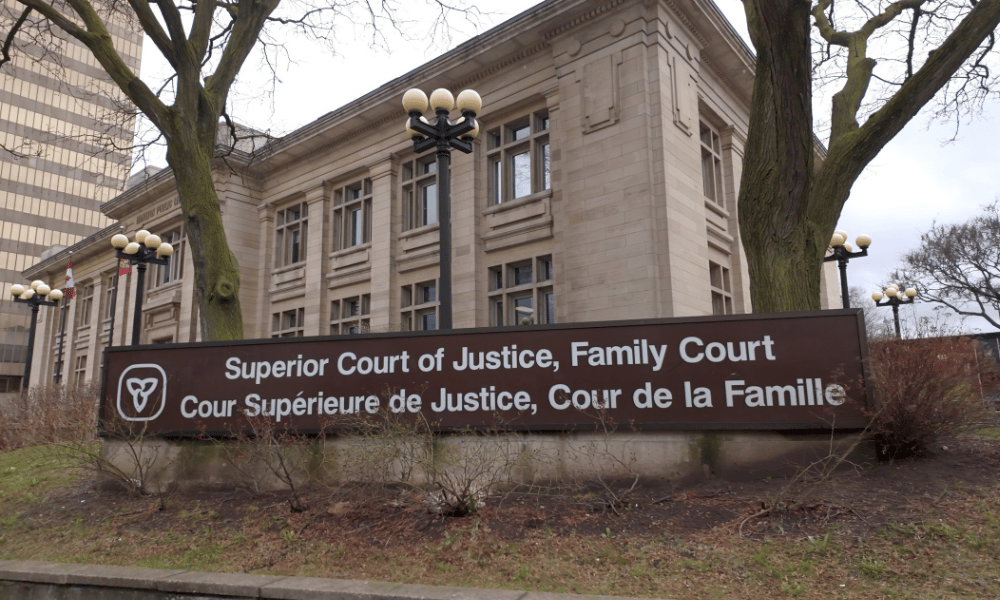
In proceedings arising from benefits claimed for a vehicular accident, the Ontario Superior Court struck some claims but maintained others in a lawsuit against a medical assessment firm, its employees, and the health professionals who examined the injured party.
The plaintiff in Plante (Litigation Guardian) v. Dynamic Functional Solutions Inc. et al, 2026 ONSC 4502, who was born disabled, needed assistance with her daily living activities.
On May 30, 2019, the plaintiff was involved in a motor vehicle collision. Her needs allegedly increased due to her injuries in the accident.
In 2020, the plaintiff applied to Economical Insurance, her automobile insurer, for attendant care benefits under the Statutory Accident Benefits Schedule – Effective September 1, 2010 (including amendments effective June 1, 2016) (SABS).
Under s. 44 of the SABS, the insurer asked the plaintiff to undergo various medical examinations to establish her entitlement to benefits.
The insurer hired Dynamic Functional Solutions Inc. (DFS), a medical assessment firm, to arrange the examinations. DFS retained an occupational therapist and a psychiatrist to examine the plaintiff and prepare the relevant reports.
The plaintiff’s litigation guardian brought a claim for damages against DFS, two DFS employees at the time, the occupational therapist, and the psychiatrist.
In connection with the s. 44 examinations and the resulting reports, the claim alleged that the defendants negligently and/or fraudulently engaged in a concerted effort to conceal the magnitude of the plaintiff’s injuries and symptoms, as well as the link between the collision and those injuries and symptoms.
In a motion to strike without leave to amend under rr. 21.01(1), 21.01(3), and 25.11 of the Rules of Civil Procedure, RRO 1990, Reg 194, the defendants argued that the statement of claim:
The Ontario Superior Court of Justice decided that it had jurisdiction over the issues in the claim. The court explained that a plaintiff should have a means to seek relief against tortfeasors who were non-insurers, regardless of whether the tort arose in the SABS context.
The court emphasized that the plaintiff’s serious allegations went beyond challenging expert witness neutrality.
“They describe a concerted effort to manipulate findings of medical examinations for financial gain, to the detriment of a vulnerable individual,” wrote Justie Kristin Muszynski for the court. “I see no good public policy reason to cloak this type of conduct in immunity or to leave a party injured by it without recourse because of a jurisdictional gap.”
The Superior Court struck the direct claims for fraudulent or negligent misrepresentation.
Regarding fraudulent misrepresentation, civil fraud, or the tort of deceit, the court accepted that the plaintiff might have a reasonable cause of action against the insurer.
However, the court described the relationship between the plaintiff and the defendants as too remote for a direct claim for fraudulent misrepresentation.
As for negligent misrepresentation, the court also characterized the relationship between the parties as too remote for a direct cause of action.
The Superior Court granted leave to amend to address the application of the tort of unlawful means, with the amended statement of claim referring to the pertinent legislative provisions.
The court explained that the allegations could ground a claim for this tort, specifically through the defendants’ allegedly false or negligent misrepresentations to the insurer, which might have harmed the plaintiff as a third party.
The Superior Court denied the rest of the motion to strike. Specifically, the court declined to strike the claims for inducing breach of contract, negligence, and expert witness immunity.
Regarding inducing contractual breach, the court clarified that the claim alleged that fraudulent or negligent misrepresentations in the medical reports caused the insurer to breach its insurance contract with the plaintiff.
The court added that a trial with an evidentiary record could answer the questions of whether the plaintiff had a viable cause of action for negligence or expert witness immunity.
Lastly, the court rejected the argument that the claim lacked basis against the DFS employees, given that specific allegations addressed them.
The Superior Court noted that the Ontario Licence Appeal Tribunal was dealing with live disputes regarding the plaintiff’s entitlement to benefits and her application for a catastrophic impairment designation.
The court acknowledged that litigating the plaintiff’s entitlement to benefits would constitute an abuse of process and a jurisdictional intrusion. However, the court stressed that the present matter sought general and punitive damages, not benefits.
Here are some other recent Ontario Superior Court decisions involving injuries arising from motor vehicle collisions.
In a personal injury proceeding involving a motor vehicle collision, the Superior Court made a July 17 decision awarding additional amounts for interest, substantial indemnity costs for the tort action, and partial indemnity costs for a hearing.
To avoid the real possibility of inconsistent results, the Superior Court issued a June 29 order for one common liability trial in two actions with identical liability issues on which of the two drivers involved in a motor vehicle collision was liable.
Enjoy this story? Read the latest personal injury law news on the main page!