

Auto insurer of mother, not of injured plaintiff, should pay settlement
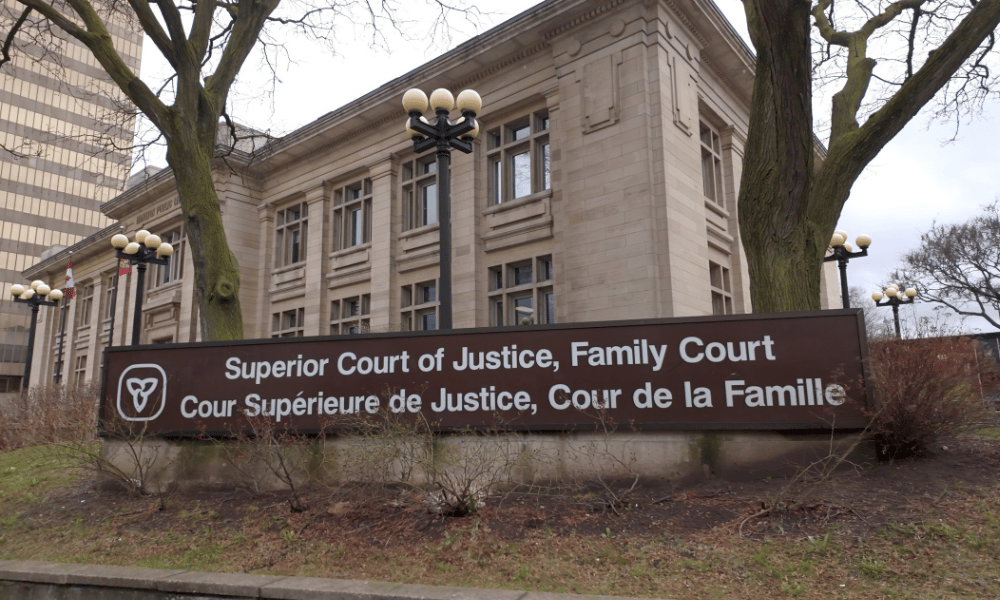
In a case involving a single-vehicle accident on Thunder Bay Road at or near Fort Erie, the Ontario Superior Court found a mother vicariously liable for her son’s negligent operation of her vehicle under s. 192 of Ontario’s Highway Traffic Act, 1990.
In Eden v. Levasseur et al, 2026 ONSC 1634, the mother and son were the defendants. The mother owned a 2001 Volkswagen Jetta. Her son was the unlicensed operator of the vehicle during the accident.
The plaintiff, a passenger in the vehicle at the time, filed an action for damages for personal injuries. Aviva Canada Inc. was the mother’s automobile insurer, while Heartland Farm Mutual Inc. was the plaintiff’s automobile insurer.
The son said he understood that he could not operate the vehicle, as doing so would breach the rules of his house arrest. After the parties settled the plaintiff’s claim, the mother moved for summary judgment against Heartland.
The issue was whether the mother was vicariously liable for her son’s negligent operation of the vehicle she owned, which would impact whether Aviva or Heartland would be responsible for paying the plaintiff the settlement amount.
If the son was operating the vehicle with his mother’s express or implied consent, Aviva should pay under its policy’s third-party indemnity provisions. On the other hand, if the son was operating the vehicle without consent, Heartland should pay under the OCF44R coverage of the plaintiff’s policy.
Finding vicarious liability on the mother’s part, the Ontario Superior Court of Justice ordered Aviva to pay the plaintiff the settlement amount.
The court saw overwhelming signs of the son’s exclusive care, control, and possession of the vehicle from the time of its purchase to the time of the accident. According to the court, from the outset, the mother eschewed responsibility for the vehicle and entrusted her son with exclusive power over it.
The court did not consider the issue of whether the son possessed and operated the vehicle without his mother’s consent a genuine issue requiring a trial. The court ruled that the son had express consent to possess the vehicle and implied consent to operate it.
The court found the following indicia of the mother’s implied consent to the son’s possession of the vehicle:
Next, the court rejected the assertion that the mother withheld or denied permission for her son to operate the vehicle. The court found this claim hollow, incredible, and illogical.
Without any monitoring, control, or enforcement mechanisms, the court deemed any driving prohibition against the son invalid, ineffective, and worthless.
The court found it reasonably foreseeable that the son would disobey any prohibition against operating the vehicle, given his de facto control and possession of the vehicle without the legal owner’s concern.
The court saw implied consent from the mother for her son to operate the vehicle on the highway once he deemed it roadworthy or wanted to test its roadworthiness. The court found it objectively and subjectively foreseeable that he would assess roadworthiness by driving the vehicle on the highway, as he did multiple times.