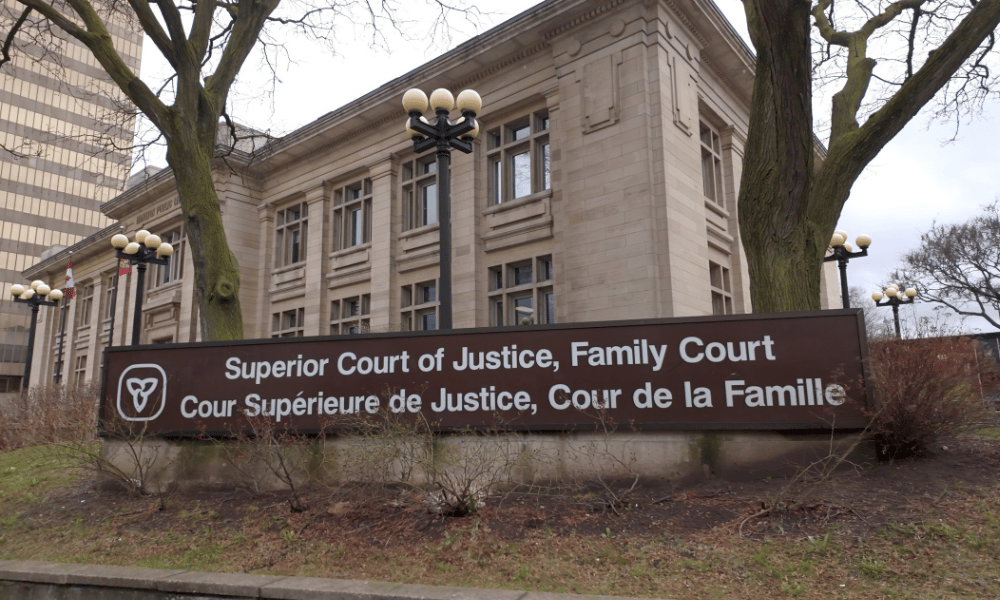

Toronto Metropolitan University had condemned the students' letter as antisemitic and intolerant
A group of 10 current and former Toronto Metropolitan University law students who signed a controversial letter in 2023 expressing solidarity with Palestine sued the school on Friday, alleging the school’s response to the letter constituted defamation, negligent misrepresentation, breach of contract, and discrimination.
In their statement of claim, the students allege that the school’s response to the letter, which includes an October 2023 statement that condemns the letter’s contents as antisemitic and intolerant, caused them to suffer reputational harm, loss of academic and job opportunities, social isolation, damaged relationships with friends and family, and more.
They told the Ontario Superior Court of Justice that they seek more than $10 million in damages.
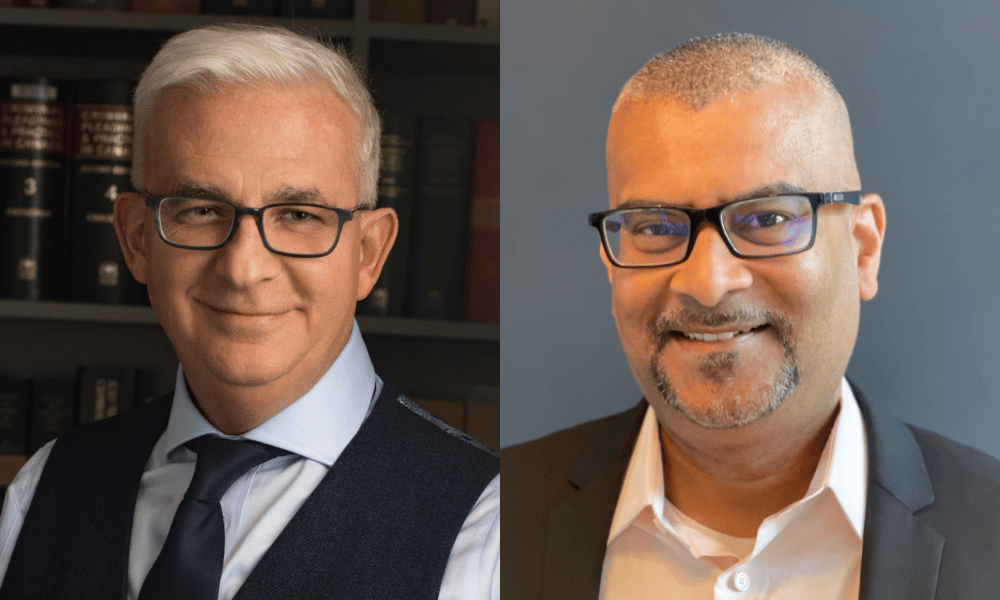
Dimitri Lascaris, the students’ lawyer, told Law Times on Friday that the students decided to take legal action partly because TMU failed to take down its October 2023 statement even after an external investigation last year determined that sanctions against the signatories are not warranted. The statement remained on TMU's website as of Friday afternoon, but has since been taken down.
The investigation was conducted by retired Nova Scotia Chief Justice Michael MacDonald and concluded that the October 23 statement “caused harm to the student community” because TMU did not give the signatories a meaningful opportunity to explain themselves.
Lascaris says he is “gobsmacked” that the school is “simply thumbing their nose” at MacDonald’s conclusion and publicly accusing his clients of antisemitism. He adds that the students’ lawsuit aims to clear their names.
A TMU spokesperson said in a statement to Law Times on Friday that the university “cannot comment on legal matters.”
The dispute started in October 2023, when a student at TMU’s Lincoln Alexander School of Law emailed a letter to the law school’s dean and associate deans, advising them that a student organization, the Abolitionist Organizing Collective, planned to release an open letter stating its “unequivocal” support for Palestine.
Earlier that month, Hamas had attacked Israel, killing approximately 1,200 people and taking about 250 hostages. The attacks prompted Israel to launch a military offensive in Gaza that has killed tens of thousands of Palestinians.
The letter obtained 74 signatures, including one from the organization, and referred to Israel as an “apartheid state” and “a product of settler colonialism.” The letter added that its signatories “condemn any organization that only condemned Hamas’ recent war crimes killing 1300 Israelis, but has been and/or remains silent on the historic and ongoing war crimes committed by Israel.”
The letter was made public days later, sparking intense backlash against the signatories. TMU then posted its statement, which noted that the school “does not tolerate antisemitism, Islamophobia or statements that promote violence, terrorism, discrimination, racism, and hate.”
Later the same month, 23 Ontario lawyers – including several Law Society of Ontario benchers and a former appellate justice – published their own open letter condemning TMU’s response as “wholly inadequate.” The lawyers called the students’ letter “nothing less than a hate-filled incitement to violence against Israel and the Jewish people.”
The lawyers said the students’ letter “expresses its unequivocal support for ‘all forms’ of resistance and efforts towards liberation, thereby endorsing rape, torture, murder and kidnapping of Israelis, including children and the elderly, and citizens of many other countries.” They added it was “very much an open question” whether the legal community would continue to offer LASL students professional placements.
In November 2023, TMU hired MacDonald to conduct his external review of the students’ letter. In addition to criticizing TMU’s response, the resulting report concluded that “the reactions of many external actors, including prominent lawyers and interest groups – some of them publicly calling for the students to be expelled – caused further, and significant, harm to the students.”
Lascaris declined to provide specific examples of the plaintiffs losing out on academic and job opportunities at this juncture of the litigation. However, he pointed to a 2023 National Post column by Toronto lawyer Howard Levitt as an example of the type of backlash the students faced.
In his column, Levitt noted that some law firms were cancelling job interviews with students who signed the October 2023 letter. He called for the letters’ signatories to be expelled and encouraged the legal profession to “circulate the names of the 74 students at TMU and others attending openly anti-Semitic rallies so that employers will know not to hire them.”
Lascaris says he is “appalled by the behaviour of the legal profession in Ontario when it comes to what is happening to the Palestinian people and how they’re responding to law students and people who speak out.”
He adds, “I find that disgraceful and embarrassing.”
Editor's Note: This story has been updated to reflect that TMU removed the October 23 statement from its website after this story's original publication on Friday.