New OBA prez aims for ‘more welcoming and inclusive association’
By Glenn Kauth | Publication Date: Monday, 30 August 2010
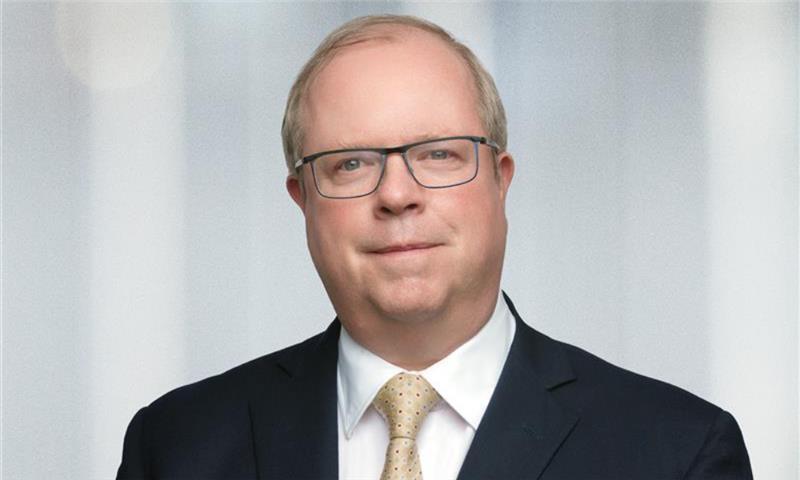
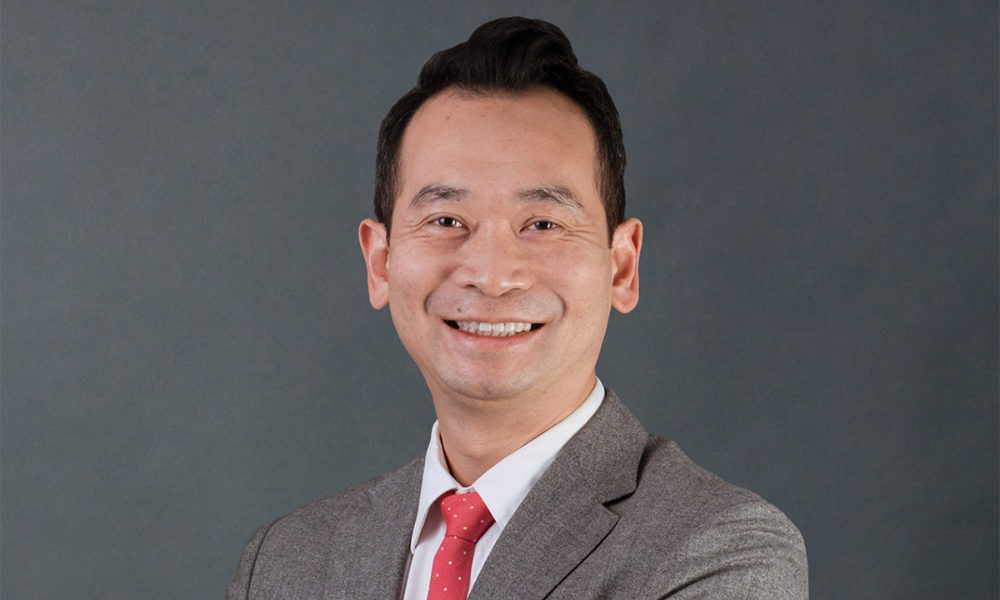
Calling himself a “lunch-bucket insurance lawyer,” Lee Akazaki says he wants to make the Ontario Bar Association more accessible to outsiders during his term as president of the organization.
‘The way they designed this place, it’s like a gallery’
By Michael McKiernan | Publication Date: Monday, 30 August 2010
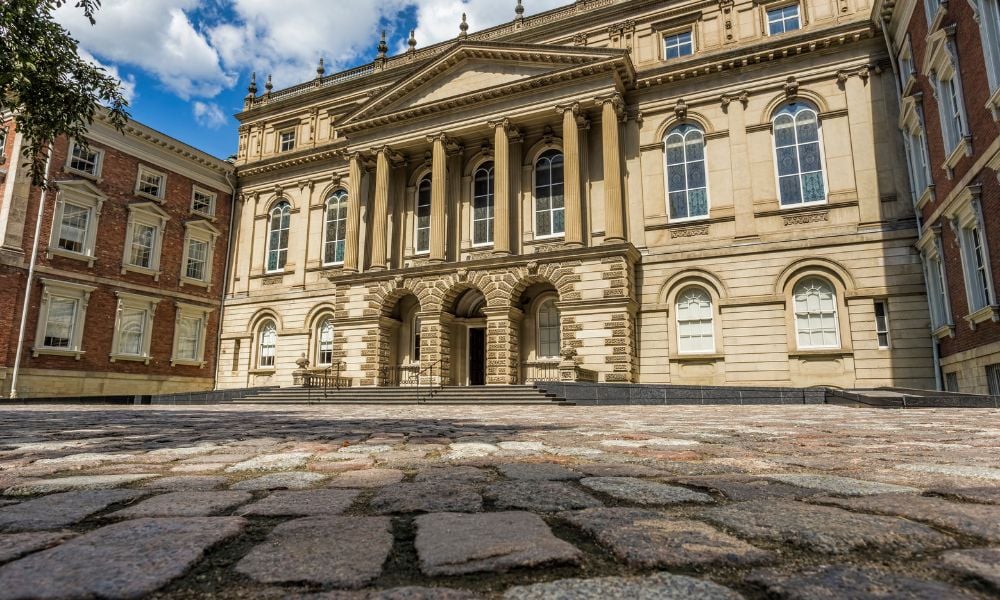
For those wondering about the age of Fasken Martineau DuMoulin LLP’s Toronto office, the clues are everywhere at its 24th-floor reception in the Bay Adelaide Centre.
A Criminal Mind: When is it worth it to work for free?
By Rosalind Conway | Publication Date: Monday, 30 August 2010
Lawyers in Ottawa and Cornwall, Ont., have been noticing that it has become harder to get legal aid certificates and it’s taking longer for clients to get through the application process.
By Daryl-Lynn Carlson | Publication Date: Monday, 30 August 2010
If there’s any indication that health law is becoming an increasingly progressive field, one could point to a couple of recent decisions delivered by Ontario courts.
NEW LAWYER AT BLANEY MCMURTRY Michael Farace is the newest lawyer at Blaney McMurtry LLP.
With experience in advising mortgagees, commercial landlords, property managers, general contractors, land developers, and residential and commercial construction clients, Farace will continue his practice in construction law and commercial litigation, according to the firm.
CPAC LEGAL SHOW RENAMED On Sept. 1, CPAC’s legal program Jurisprudence will have a new name: Supreme Court Hearings. The show airs on Sundays at 1 a.m. It covers select hearings and landmark proceedings from Canada’s top court.
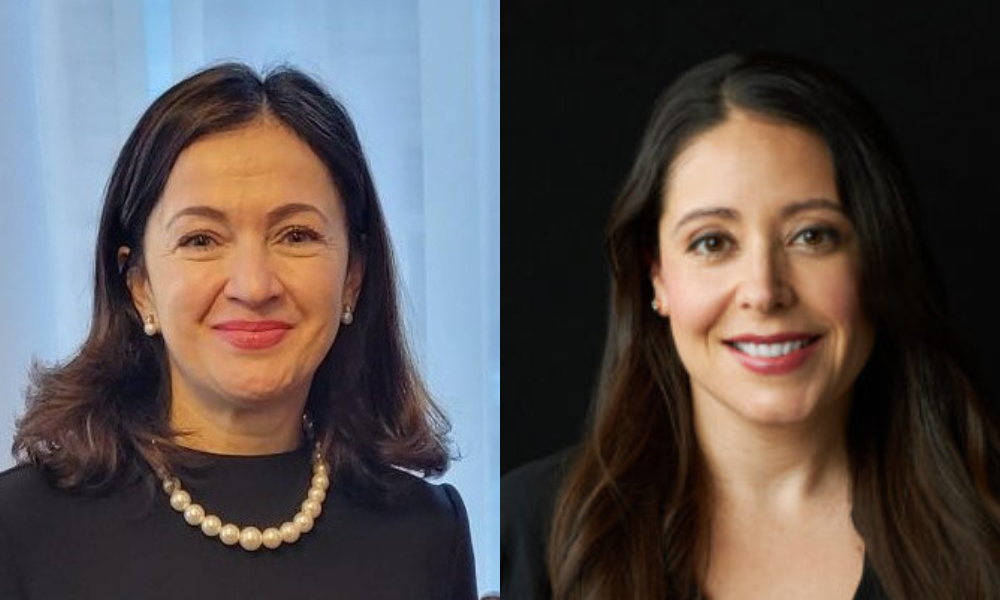
MCCARTHYS LAWYERS ON A MISSION Two lawyers from McCarthy Tétrault LLP headed to Colombia last week as part of Lawyers Without Borders Canada.
During their mission, George Gray of Toronto and Marie-Pierre Grenier of Quebec City joined a group of lawyers observing the conditions under which their Colombian counterparts practise the law.
They met with the media, lawyers, judges, police, government ministers, and academics to discuss the challenges, review eyewitness and documentary evidence, and examine access to justice and rates of impunity in human rights violations.
“Contemporary art today uses all sorts of media, and I think it’s important that we show we understand the world that we are living in. Our practice is driven much more electronically today than it once was. We live in an electronic world — why shouldn’t we have electronic art?”